

What is a last-mile provider in logistics?

In today’s global logistics landscape, characterised by the continued growth of e-commerce and increasing demand for ever-faster deliveries, the so-called last mile has become one of the most critical elements of the distribution process. This final stage of the logistics operation, connecting the distribution centre with the end customer, represents one of the greatest operational challenges for retailers, logistics providers and manufacturers. According to the "Last Link: Quantifying the Cost" study by Cushman & Wakefield, the last mile accounts for 50.3% of total e-commerce logistics costs, ahead of inventory costs (21.8%) and labour costs (9.5%).
The last-mile provider has emerged as a specialised logistics partner responsible for managing this process with efficiency, flexibility and the ability to adapt to complex urban environments. Its role is essential in ensuring fast deliveries, optimising operating costs and maintaining high levels of customer satisfaction.
In this context, logistics infrastructure and warehouse storage systems play a fundamental role. A well-organised warehouse improves order picking efficiency and speeds up goods dispatch. In this field, AR Racking, a Spanish manufacturer of industrial racking systems, develops storage solutions designed to optimise distribution centres and enhance the performance of the entire supply chain.
What is a Last-Mile provider and what is its role in the supply chain?
A last-mile provider is the logistics operator responsible for managing the final stage of goods transportation, from a distribution centre or logistics hub to the end customer. This process represents the final link in the logistics flow and typically involves deliveries in urban areas, residential neighbourhoods or collection points.
Unlike other stages of transportation, last-mile logistics requires a high degree of operational flexibility. Specialised providers must manage multiple deliveries across complex routes, optimise delivery times and ensure complete shipment traceability.
Within the supply chain, the last mile performs key functions such as order consolidation, capillary distribution and coordination with regional distribution centres. It also serves as the direct point of contact between the company and the end customer, making it a strategic factor in strengthening brand reputation.
The growth of e-commerce has significantly increased the importance of this logistics model. Today’s consumers expect fast deliveries, flexible delivery options and real-time shipment tracking, compelling businesses to optimise every stage of the distribution process.
Strategic benefits for logistics companies and retailers
Working with specialised last-mile providers offers numerous strategic advantages for industrial companies, retailers and logistics operators. By outsourcing or optimising this stage of the distribution process, organisations can significantly improve their operational performance.
One of the main benefits is shorter delivery times. The expertise of these providers enables the design of optimised delivery routes and the efficient management of urban distribution, resulting in faster and more reliable deliveries.
Another key advantage is improved logistics efficiency. By relying on specialised operators, companies can focus their resources on strategic activities such as production planning and inventory management, while final distribution is handled through advanced logistics solutions.
In addition, last-mile providers help optimise warehouse inventory management by enabling more agile regional distribution centres that are better aligned with actual market demand.
From a commercial perspective, the last mile has also become a key competitive differentiator. Fast deliveries, flexible delivery time slots and reliable service have a direct impact on customer experience and customer loyalty.
Operational and technological aspects of Last-Mile logistics
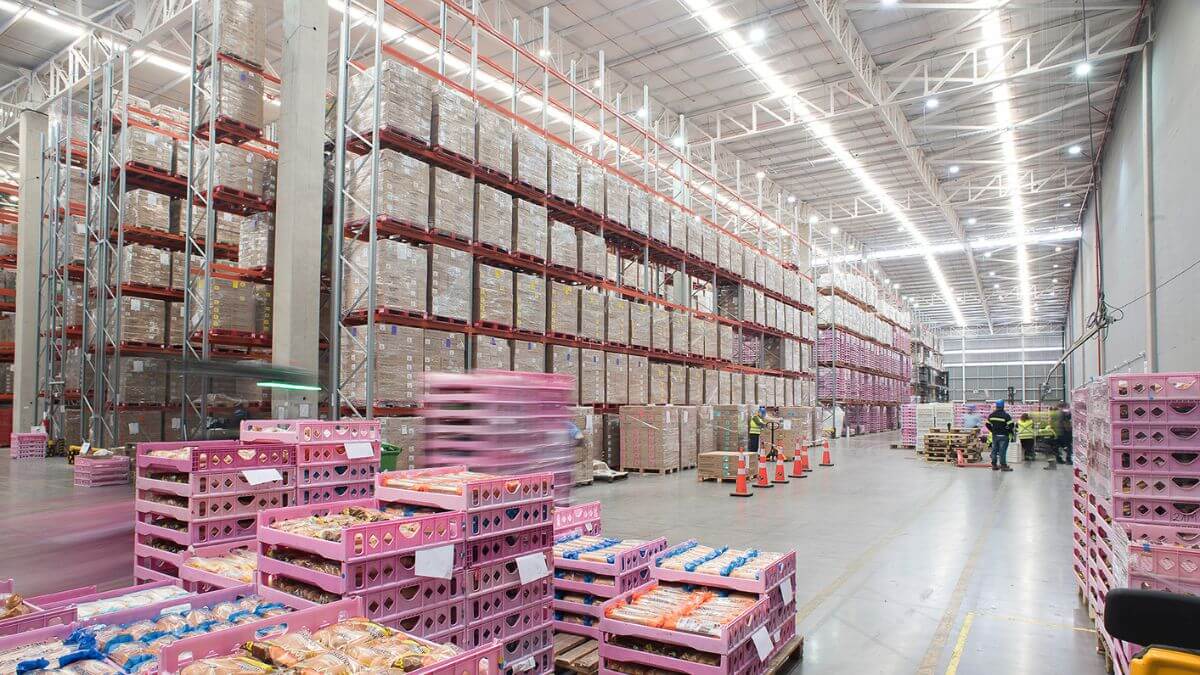
Last-mile logistics operations are characterised by a high level of complexity. Urban distribution requires managing multiple variables, including traffic congestion, access restrictions and a wide variety of delivery destinations.
To address these challenges, last-mile providers implement advanced technologies that improve the efficiency of logistics operations.
The main operational components include:
- Route optimisation systems that plan deliveries based on traffic conditions, travel distance and delivery time windows.
- Shipment tracking platforms that provide real-time visibility into delivery status.
- Urban micro-distribution centres or logistics hubs that position inventory closer to end consumers.
- Integration with WMS and logistics management systems to coordinate inventory, order picking and transportation.
- The use of electric vehicles and other sustainable solutions to reduce environmental impact in urban areas.
These technologies transform last-mile logistics into a more efficient, scalable process that is fully aligned with the current demands of the logistics industry.
AR Racking industrial racking systems for Last-Mile distribution centres
Efficiency in last-mile operations depends heavily on the internal organisation of logistics centres. A well-designed warehouse streamlines order picking, reduces handling times and improves dispatch speed.
In this context, industrial storage systems play a key role in supporting high-turnover operations and fast order fulfilment.
AR Racking is a manufacturer of industrial racking systems, supplying storage solutions designed to maximise the efficiency of distribution centres focused on last-mile logistics. The company does not provide transport or logistics operations services: its expertise lies in the design and manufacture of the storage infrastructure that supports logistics operations. Among the most commonly used systems in last-mile distribution centres are:
- Adjustable Pallet Racking – provides direct access to each load unit and enables flexible inventory management.
- Live Storage Pallet Racking (FIFO) – gravity-based systems that enable automatic product rotation, ideal for high-frequency dispatch operations.
- Longspan Shelving – particularly suitable for manual picking operations in distribution centres handling single-item or multi-SKU orders.
- Multi-tier Shelving – multi-level structures that maximise usable warehouse space and optimise order picking in e-commerce operations.
These systems allow logistics centres to be adapted to the fast and flexible distribution needs required by last-mile logistics.
Implementation in logistics centres and micro-fulfilment
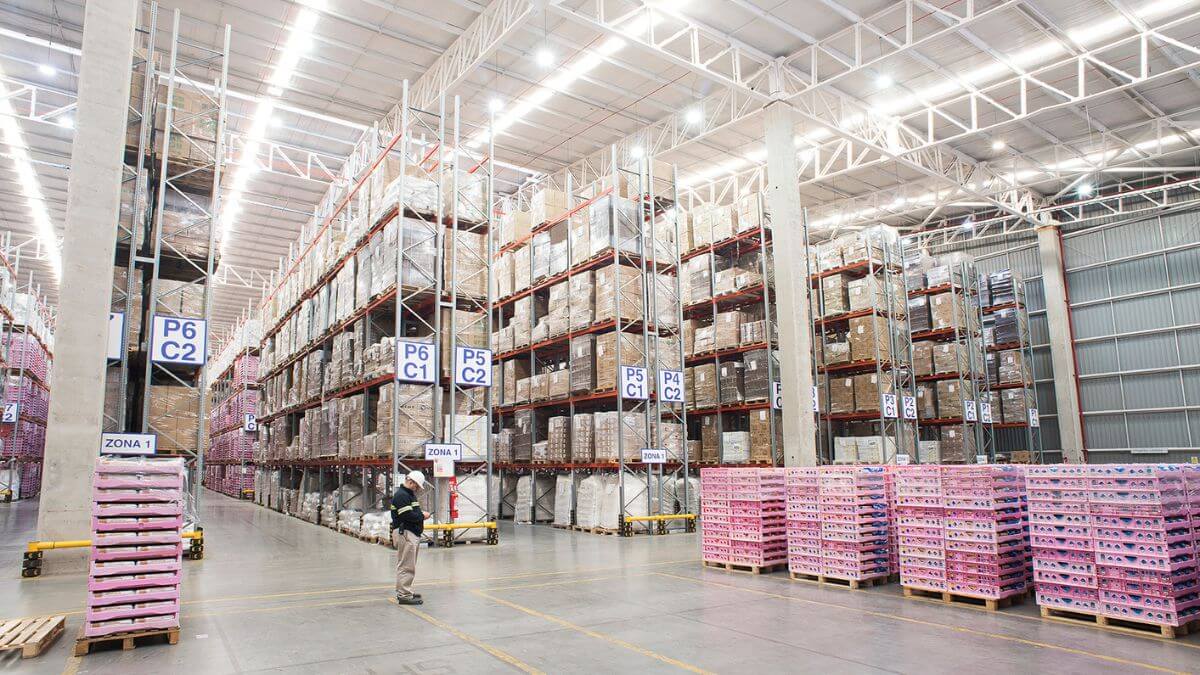
Implementing last-mile-oriented operations requires comprehensive logistics planning that combines infrastructure, technology and operational organisation.
One of the most important elements is the strategic location of distribution centres. Many companies choose to deploy urban hubs or micro-fulfilment centres that bring inventory closer to consumption areas.
Warehouse layout design is also essential. Workflow organisation must enable fast order picking, minimise movement and optimise available space usage.
In this process, storage engineering and logistics planning play a key role in ensuring that infrastructure can handle high order volumes and demand fluctuations.
Operational challenges and how to solve them
Despite its advantages, last-mile logistics presents several challenges that companies must manage strategically.
The main challenges include:
- High operational costs resulting from urban distribution and multiple individual deliveries.
- Traffic congestion and access restrictions in urban areas.
- Demand variability, especially during peak periods such as sales campaigns.
- The need to maintain high service levels and short delivery times.
To overcome these challenges, many companies are adopting strategies such as AI-based route optimisation, the use of urban hubs and improved warehouse organisation through advanced storage solutions.
In addition, efficient logistics infrastructure design helps improve productivity and ensures high quality standards in logistics operations.
Innovation and trends in Last-Mile logistics
Last-mile logistics is undergoing a major transformation driven by digitalisation, automation and sustainability.
Key trends include the adoption of technologies such as artificial intelligence for route optimisation, predictive analytics to forecast demand and the integration of automated systems in logistics centres.
Sustainability has also become a key element of logistics strategy. Many companies are introducing electric vehicles, optimising routes to reduce emissions and designing more energy-efficient logistics infrastructure.
In this context, investment in advanced logistics solutions and optimised storage systems enables organisations to adapt to an increasingly competitive and demanding environment.
Frequently asked questions about Last-Mile logistics
What exactly is a last-mile provider?
A last-mile provider is the logistics operator responsible for managing the final stage of goods transportation, from the distribution centre to the end customer. It is the final link in the supply chain and has the greatest impact on customer experience.
What percentage of logistics costs does the last mile represent?
According to Cushman & Wakefield’s "Last Link: Quantifying the Cost" study, the last mile represents 50.3% of total e-commerce logistics costs, surpassing inventory costs (21.8%), labour costs (9.5%) and facility rental costs (4.3%).
Which industrial racking systems are most suitable for last-mile centres?
For high-turnover and fast order fulfilment operations, the most commonly used systems are Pallet Flow Racking (FIFO), Medium-Duty Shelving for manual picking, and Mezzanine Floors to maximise usable warehouse space. AR Racking designs and supplies these industrial racking systems for last-mile distribution centres.
What is a micro-fulfilment centre?
A micro-fulfilment centre is a small-scale logistics facility located close to consumer demand areas. Its goal is to bring inventory closer to the end customer in order to reduce last-mile delivery times and costs, especially in urban environments.
How does warehouse design impact last-mile efficiency?
A well-designed warehouse reduces order picking times, minimises internal movement and improves dispatch speed. Choosing the right industrial racking system is essential to handle high order volumes and adapt to demand fluctuations.
Conclusion
Last-mile providers have become strategic players in modern logistics. Their ability to efficiently manage the final stage of distribution directly impacts business competitiveness and the end-customer experience.
As e-commerce continues to grow and consumer expectations evolve, last-mile optimisation is becoming a top priority for manufacturers, logistics operators and retailers. In this process, logistics infrastructure and storage systems play a crucial role in ensuring speed, efficiency and reliability in order fulfilment and distribution.
Looking to optimise your distribution centre for last-mile logistics? Contact AR Racking’s engineering team, a manufacturer of industrial racking systems, and discover the storage solution best suited to your logistics operation.
Related news

Intermodal Freight Transport
Intermodal transport integrates road, rail, and maritime transport to optimize global logistics. AR Racking, a manufacturer of industrial...
What is an RPA applied to logistics? Robotic automation in the warehouse
Robotic Process Automation (RPA) is revolutionizing industrial logistics by optimizing repetitive tasks, reducing errors, and...