

Intermodal Freight Transport

The globalization of markets and the growth of international trade have significantly increased the complexity of logistics operations. Companies require transport systems capable of moving large volumes of goods efficiently, safely, and sustainably, while remaining competitive in terms of both costs and delivery times.
In this context, intermodal transport has become one of the most effective strategies for optimizing long-distance freight movement. This model combines different modes of transport—road, rail, sea, or inland waterways—using the same loading unit, typically containers or semi-trailers, without directly handling the goods during transfers.
This approach makes it possible to leverage the strengths of each transport mode: the high capacity and energy efficiency of rail and maritime transport for long-distance routes, together with the flexibility of road transport for final delivery.
In addition, intermodal transport has a direct impact on the operation of logistics centres and industrial warehouses, which serve as strategic nodes within the supply chain. In this environment, efficient storage systems are essential for managing the continuous flow of goods and ensuring effective inventory management throughout the supply chain.
AR Racking, a European manufacturer of industrial racking systems with a 100% automated production facility in Navarra, Spain, designs and manufactures steel storage systems that enable logistics centres to adapt to these intermodal flows, maximizing available space and improving operational efficiency.
Concept and key features of Intermodal Transport
Intermodal transport involves moving goods using two or more different modes of transport while keeping the cargo in a single standardized loading unit throughout the entire journey. This loading unit is typically a shipping container, swap body, or semi-trailer designed to facilitate seamless transfer between different transport modes.
The defining feature of this system is that the goods themselves are not directly handled during transfers. This significantly reduces the risk of damage, loss, or contamination while also streamlining logistics operations.
The main characteristics of intermodal transport include:
- Use of standardized loading units compatible with different transport modes.
- Reduced direct handling of goods.
- Greater cargo security and traceability.
- Cost optimization for long-distance transport.
Thanks to these advantages, intermodal transport has become a key logistics model for companies operating in international markets or managing large freight volumes within complex supply chain networks.
Most common types of Intermodal Transport combinations
Intermodal transport can take different forms depending on the available infrastructure, transport distance, and the characteristics of the goods being moved.
One of the most common combinations integrates maritime and road transport. In this model, containers arrive at seaports from different countries and are then transported by truck to logistics centres or distribution warehouses.
Another widely used combination integrates rail and road transport. Rail enables large volumes of cargo to be transported over long distances with a lower environmental impact, while road transport provides the flexibility needed for final delivery.
Sea–rail combinations are also widely used, particularly along international logistics corridors where ports are directly connected to railway networks that transport goods to inland logistics platforms.
In certain regions, inland waterway transport also forms part of intermodal networks, particularly in countries with extensive navigable river systems.
Selecting the most appropriate intermodal combination depends on factors such as transport distance, cargo type, infrastructure availability, and associated logistics costs.
Logistics infrastructure required for Intermodal Transport
Efficient intermodal transport relies on specialized logistics infrastructure capable of managing the fast and secure transfer of loading units between different modes of transport.
Intermodal terminals are among the most important components of this infrastructure. These facilities enable containers and semi-trailers to be transferred between trains, trucks, and vessels using cranes, reach stackers, and other specialized handling equipment.
Seaports also play a critical role within global intermodal networks, as they handle large volumes of goods arriving through international trade.
Inland logistics platforms, meanwhile, allow goods to be consolidated, inventories to be managed, and regional distribution to be organized. These logistics centres function as strategic hubs connecting intermodal transport with warehousing and distribution operations.
Within these facilities, industrial storage systems enable goods to be organized efficiently, facilitate loading and unloading operations, and optimize product flow throughout the warehouse.
Integrating Intermodal Transport with Industrial Storage Systems
The importance of intermodal transport in warehouse logistics continues to grow. Modern logistics centres no longer serve solely as storage facilities; they function as connection hubs linking different transport modes within global logistics networks.
In this context, warehouses operate as strategic nodes where goods arriving from different intermodal routes are received, sorted, temporarily stored, and redistributed.
One of the key advantages of intermodal transport for warehouse logistics is the optimization of inbound and outbound goods flows. Thanks to standardized loading units, unloading, storage, and shipping operations can be carried out more quickly and safely.
Intermodal transport also enables more efficient inventory management. When logistics flows are properly coordinated across different transport modes, warehouses can better plan stock rotation, reduce unnecessary storage time, and improve inventory visibility.
Another significant benefit is lower operating costs. Combining rail or maritime transport for long-distance routes with road transport for final delivery helps reduce overall logistics costs, positively impacting warehouse operational efficiency as well.
Depending on operational requirements and cargo volumes, intermodal logistics centres may require different industrial racking solutions: Adjustable Pallet Racking for high-turnover operations with multiple SKUs, high-density storage systems such as Drive-in Racking or Pallet Shuttle for storing large quantities of a limited number of SKUs, or Live Storage for Picking to streamline order preparation in distribution centres.
Furthermore, this logistics model promotes more sustainable operations. The use of more energy-efficient transport modes helps reduce CO₂ emissions and supports the development of more sustainable supply chains.
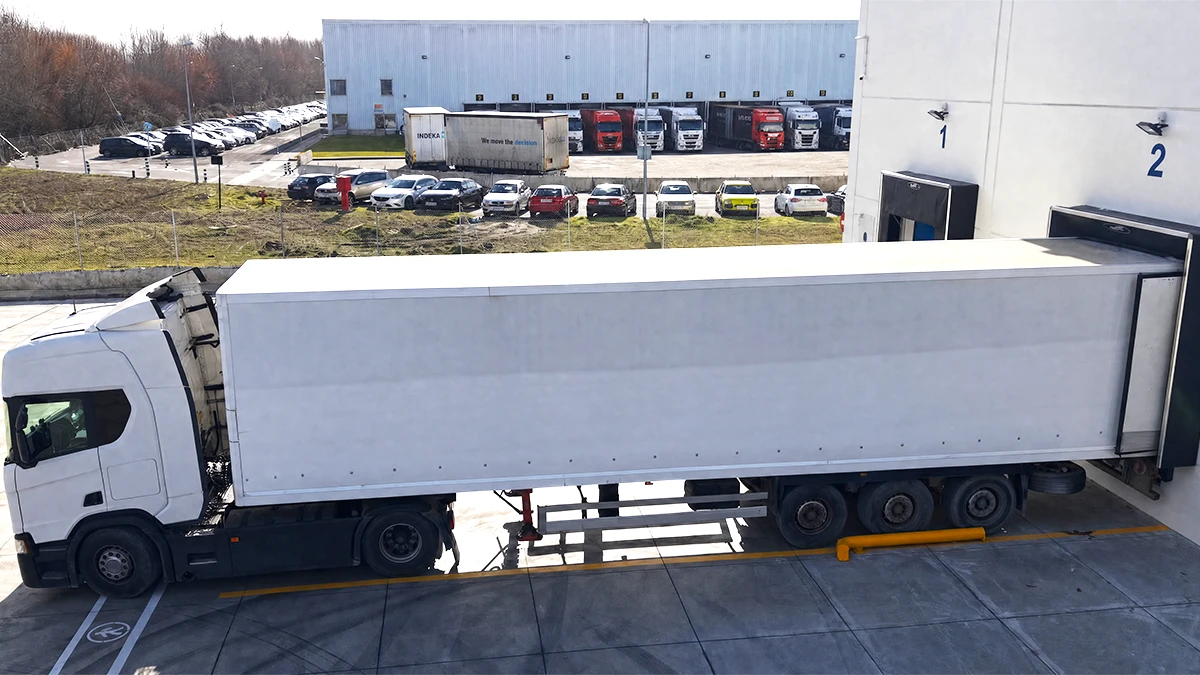
Operational implementation in Logistics Centres and Industrial Warehouses
Adopting intermodal transport in logistics operations requires strategic planning and effective coordination among the various stakeholders involved in the supply chain.
The first step is to analyse existing logistics flows to identify routes where intermodal transport can deliver operational or economic benefits. This analysis should take into account factors such as freight volumes, transport distances, and the availability of intermodal infrastructure.
The next step is to develop a logistics strategy that integrates the different transport modes with warehouse operations. This includes planning storage areas, organizing receiving and dispatch zones, and coordinating activities with third-party logistics providers.
Employee training is also a key factor in ensuring the successful implementation of the intermodal model, as logistics processes may require specific procedures for handling and managing standardized loading units.
Technical, regulatory, and logistics challenges
Despite its many advantages, intermodal transport also presents operational challenges that must be effectively managed to ensure efficient logistics operations.
The main challenges include:
- Coordination between different logistics providers and transport systems.
- Limitations in the availability of intermodal infrastructure.
- Synchronization of freight arrival and departure schedules.
- Complexity in documentation and regulatory compliance.
Logistics digitalization and the use of advanced transport management systems (TMS) are improving visibility across logistics flows and facilitating coordination among the different stakeholders in the supply chain.
Future trends: Digitalization and Sustainable Logistics
Intermodal transport is expected to continue gaining importance in the coming years, driven by the need to build more efficient and sustainable supply chains.
Emerging technologies are transforming the management of intermodal operations. Digital traceability systems, logistics data-sharing platforms, and artificial intelligence-based tools enable companies to optimize transport routes and improve coordination between different modes of transport.
At the same time, intermodal transport makes a significant contribution to reducing the environmental footprint. Rail freight generates between three and four times less CO₂ per tonne-kilometre than road transport, making intermodal transport a key driver of supply chain decarbonization.
These trends position intermodal transport as a strategic solution for building supply chains that are more resilient, efficient, and sustainable.
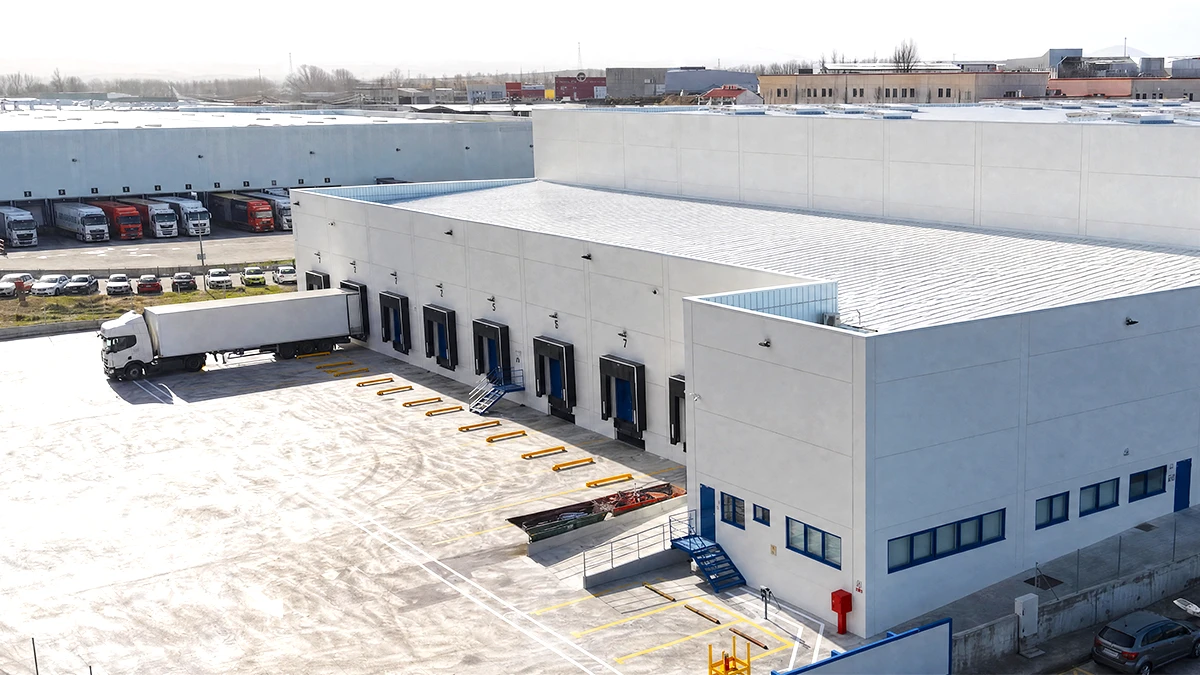
Frequently asked questions about Intermodal Transport and Industrial Storage Systems
What is intermodal freight transport?
Intermodal transport is the movement of goods using two or more modes of transport—road, rail, sea, or inland waterways—while keeping the cargo in a single standardized loading unit (such as a shipping container, swap body, or semi-trailer) throughout the entire journey, without directly handling the goods during transfers between transport modes.
What is the difference between intermodal and multimodal transport?
In intermodal transport, the same loading unit is maintained throughout the journey, while the goods are transported using multiple modes of transport. Multimodal transport also involves multiple transport modes, but it may involve different transport contracts and greater handling of the cargo during transfers.
Which industrial racking systems are best suited for an intermodal warehouse?
The most suitable solution depends on the warehouse's operational profile. For high-turnover operations with multiple SKUs, Selective Pallet Racking offers the greatest flexibility. For storing large volumes of a limited number of SKUs, high-density storage systems such as Drive-In Racking or AR Shuttle (Pallet Shuttle) maximize space utilization. For order preparation, Picking Shelving Systems help streamline distribution operations.
How does intermodal transport improve warehouse inventory management?
Standardized loading units make it easier to plan inbound and outbound operations, reducing waiting times and improving inventory visibility. When combined with properly designed storage systems, intermodal transport enables more accurate stock rotation management and helps minimize dead stock.
What are the advantages of intermodal transport compared with road-only transport?
Intermodal transport reduces logistics costs on long-distance routes, lowers CO₂ emissions by making greater use of more energy-efficient transport modes, and improves supply chain resilience by reducing dependence on a single mode of transport.
Conclusion: A Key Strategy for the Future of Logistics
Intermodal transport has become a fundamental component of improving logistics efficiency in an increasingly globalized and competitive business environment.
Its ability to integrate different modes of transport helps optimize costs, reduce the environmental impact of freight transportation, and strengthen supply chain resilience. Furthermore, its integration with logistics centres and industrial storage systems enables more efficient management of material flows within warehouses.
For companies looking to improve their logistics performance, implementing storage solutions specifically designed to support intermodal operations is essential.
As manufacturers of industrial racking systems, AR Racking designs and manufactures steel storage solutions tailored to the specific requirements of intermodal logistics centres. Contact our technical team, and together we will identify the industrial racking system that best meets your warehouse's operational needs.

What is a last-mile provider in logistics?
This article explores its role within the supply chain, the operational challenges it faces, and how logistics infrastructure and warehouse...
What is an RPA applied to logistics? Robotic automation in the warehouse
Robotic Process Automation (RPA) is revolutionizing industrial logistics by optimizing repetitive tasks, reducing errors, and...