


In a sector where errors can lead to stock shortages, failed deliveries, or workplace accidents, the implementation of tools that prevent failures is critical. For this reason, the Poka Yoke system — conceived within the framework of Lean manufacturing — has proven to be an effective and adaptable solution for industrial storage environments.
In this article, we will address how Poka Yoke can be successfully implemented in warehouses and distribution centers, its contribution to overall operational efficiency, and its practical integration with structural solutions and storage systems such as those offered by AR Racking. This technical-commercial perspective is aimed at logistics managers, industrial engineers, and supply chain professionals seeking robust, cost-effective solutions oriented toward zero errors.
What is Poka Yoke and how does it adapt to the logistics world?
The term Poka Yoke comes from Japanese and can be translated as “error-proof” or “preventing unintentional mistakes.” It was developed by Shigeo Shingo within Toyota’s production system, with the goal of designing processes and devices that made it impossible, or at least difficult, to commit human errors.
Its application in logistics and warehousing has evolved from simple physical mechanisms to sophisticated digital solutions, all aimed at preventing failures in repetitive processes such as picking, storage, or order preparation. In this context, Poka Yoke is applied primarily as a set of preventive measures that ensure each task is performed correctly from the very first attempt.
Key elements of the system include:
- Visual controls that validate product location and type.
- Devices that block incorrect operations (e.g., weight or volume sensors).
- Intelligent signaling that guides operators in critical tasks.
- Partial automation to prevent improper handling.
In the warehouse environment, Poka Yoke is consolidated not only as a continuous improvement practice but also as an essential component in the pursuit of efficiency and operational quality.
Operational, safety, and efficiency advantages of the Poka Yoke approach
The implementation of Poka Yoke mechanisms generates tangible impacts on the key performance indicators of any logistics center. From error reduction to improved traceability, its benefits affect multiple areas.
Operationally, it ensures that each task is executed correctly from the start, reducing rework, unnecessary movements, and deviations in service quality. This is particularly relevant in high-turnover operations or where multiple similar references coexist.
In terms of workplace safety, by eliminating the possibility of human error in repetitive or critical tasks, Poka Yoke significantly reduces incidents caused by improper handling or incorrect placement of hazardous goods, especially when combined with preventive maintenance practices.
Efficiency-wise, it increases workflow effectiveness by avoiding interruptions caused by picking errors, incorrect storage, or inadequate inventory rotation. This translates into more effective use of time, reduced logistics costs, and improved overall productivity.
Finally, Poka Yoke provides an intangible but strategic value: it strengthens the organization’s quality culture, aligning teams around the goal of “zero defects.”
Real applications of Poka Yoke in logistics flows and picking
The implementation of the Poka Yoke system in warehouses materializes through multiple actions and technologies adapted to different logistics processes. Examples applicable to any modern distribution center include:
- Pick-to-Light systems: visually guide the operator to the correct product location, minimizing selection errors.
- Weight sensors integrated into workstations: block order confirmation if the weight does not match expectations.
- Smart labeling and barcodes validated by scanners: prevent progress in the process if the correct item is not scanned.
- RFID proximity access controls: used in restricted areas or with special goods.
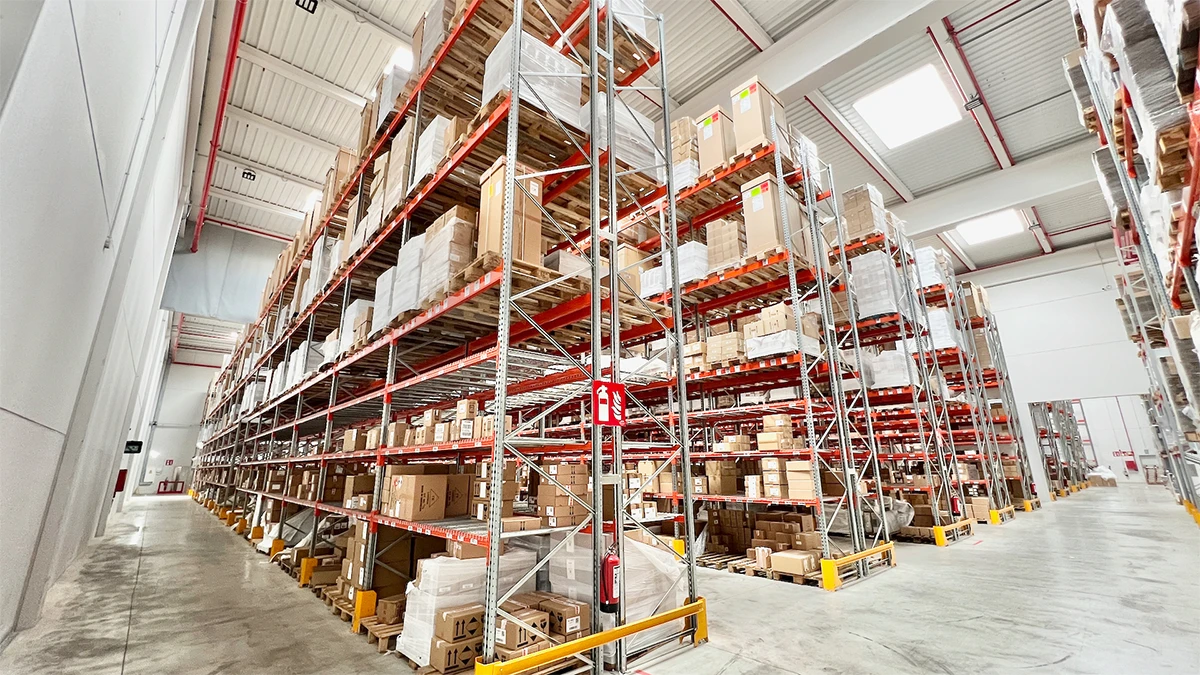
- Safety stops on racks that prevent incorrect placement of loads of different dimensions.
- Aisle and area signage using colors and pictograms to avoid stock location errors.
When combined with optimized warehouse design and appropriate storage systems, these solutions drastically reduce failures in daily operations without requiring complex or costly technological interventions.
AR Racking systems compatible with Poka Yoke principles
AR Racking offers a wide range of storage systems designed to guarantee not only efficiency and capacity but also the reduction of errors and operational risks. Thanks to their robust and configurable technical design, these systems can incorporate or facilitate the implementation of Poka Yoke principles:
- Selective Pallet Racking: ideal for visual inventory management and precise location control.
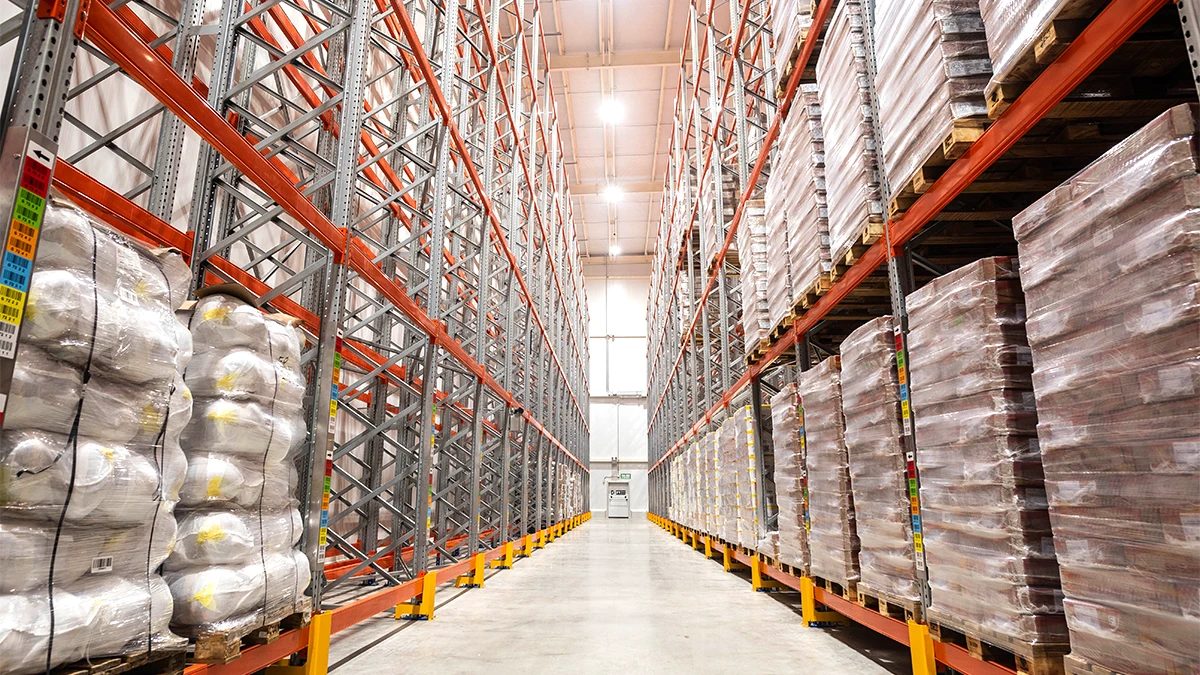
- Drive-in and Drive-through Racking: reduces rotation errors by standardizing entry and exit routes.
- Pallet Flow Racking (FIFO): incorporates gravity flow that prevents incorrect storage and ensures logical sequencing.
- Shuttle Pallet Racking: semi-automated system that reduces human intervention in critical tasks, minimizing positioning errors.
- Wide Span Shelving: ideal for integration with labeling systems and sensors for manual picking.
- Carton Flow Rack: optimize automatic replenishment through downward flow, preventing access errors.
Each of these solutions can be adapted to specific customer requirements, facilitating the application of Poka Yoke devices or methodologies as part of a comprehensive continuous improvement strategy.
Steps to integrate Poka Yoke solutions into existing facilities
Adopting a Poka Yoke system does not require a complete structural renovation of the warehouse. Its implementation can be progressive, tailored to the most critical or vulnerable processes. Recommended phases include:
- Operational diagnosis: identify frequent error points in processes such as picking, location, loading, or consolidation.
- Definition of preventive mechanisms: select simple and effective methods for error detection and blocking.
- Integration with existing infrastructure: adapt devices or visual controls to the current design without interfering with operational flow.
- Staff training: ensure operators understand the system’s purpose and actively participate in its improvement.
- Continuous review: audit the effectiveness of implemented solutions and make periodic adjustments based on logistics KPIs.
This phased approach allows tangible results to be achieved from early stages with controlled investments, facilitating system acceptance by the operational team.
Common mistakes when implementing Poka Yoke and recommendations
Although the Poka Yoke system aims to reduce errors, its own implementation can fail if proper criteria are not applied. Common mistakes include:
- Designing solutions that are too complex or overly technical, hindering adoption.
- Failing to involve warehouse staff in identifying recurring errors.
- Applying corrective rather than preventive measures.
- Not validating the effectiveness of the implemented mechanism with real data.
- Neglecting maintenance of applied devices or controls.
To avoid these failures, it is recommended to:
- Opt for visual, simple solutions compatible with the natural workflow.
- Prioritize processes with high impact or frequent errors.
- Align solutions with the company’s quality and operational safety standards.
- Incorporate regular audits to ensure continuity and improvement.
The future of error-proof systems in Logistics 4.0
The evolution of logistics toward more digitalized environments opens new opportunities to expand the scope of Poka Yoke. Combining it with technologies such as the Internet of Things (IoT), advanced sensors, artificial intelligence, or augmented reality will enable predictive systems that not only prevent errors but anticipate them.
The trend toward more automated warehouses positions Poka Yoke as a fundamental principle in the architecture of future logistics solutions. In this context, AR Racking reinforces its role as a provider of storage solutions that integrate these technologies with infrastructures designed for zero-error operations.
Conclusion: Why Poka Yoke is a smart investment in warehouse management
The Poka Yoke system represents a practical, cost-effective, and highly efficient tool for achieving operational excellence in logistics environments. Its application goes beyond error prevention, acting as a lever to improve service quality, reduce costs, and protect process integrity.
For warehouse managers, engineers, and supply chain professionals, Poka Yoke is an investment in reliability and operational continuity, especially when implemented on a robust and adaptable infrastructure such as that offered by AR Racking.
Contact our technical team to receive guidance on incorporating storage solutions designed to reduce errors, improve productivity, and ensure safe, efficient, and sustainable operations in the long term.


